Roof Inspection for Wind and Hail Damage
Wind and hail rarely show up on a roof in a neat, predictable way. One storm can leave behind a trail of torn shingles and dented metal in the same afternoon, with just enough water intrusion to make the problem feel worse than it looks. The tough part is that many roof damages are partially hidden until the next rain, or until trapped moisture works its way into materials you cannot see from the ground.
A solid roof inspection after wind and hail is about more than spotting obvious damage. It is about figuring out what failed, how far the damage likely traveled, whether the roof can be repaired safely and reliably, and whether replacing the roof is the smarter call based on roof age and the pattern of damage. That decision matters for both residential roof repair and commercial roof repair, because the cheapest option on day one is not always the cheapest option over the next several seasons.
What the inspection is trying to answer
Roof repair conversations usually start with the question homeowners ask after a storm: “Can we fix it, or do we need a replacement?” Major manufacturers and industry guidance generally treat this as an evaluation problem. If damage is small and isolated, repair is often reasonable. If the roof is older, if damage is widespread, if leaks keep coming back, or if there are multiple problem areas, replacement becomes more likely.
For example, a roof that has a few localized issues might be repaired with new roofing materials and repaired flashings. A roof with recurring leaks across several zones often indicates that multiple layers or components have been compromised, even if each individual damage point looks modest on its own. That is where a roof inspection becomes more than a visual check, it becomes a disciplined way to judge the roof as a system.
Wind damage: what inspectors look for
Wind can be brutal in a Commercial Roof Replacement way that feels surprising because it often damages the roof without leaving a dramatic “cratered” scene. The most common wind-related concerns usually fall into two categories: loss of weather resistance at the surface, and displacement or lifting of roof components.
During a roof inspection for wind damage, a contractor will typically focus on areas that are both high-risk and more vulnerable to airflow. These include roof edges, corners, penetrations like vents and plumbing stacks, and details where materials overlap and transitions happen. If roof components have been lifted or displaced, water can find pathways that are not immediately obvious from street level.
Wind also tends to create problems that show up gradually. A roof might look mostly intact after the storm, then begin leaking when a later rain pushes water into small openings that were created earlier. That is why inspectors do not limit themselves to what the storm “looked like,” they look for evidence of loss of seal integrity and attachment failure.
Hail damage: how it can be visible, hidden, or both
Hail damage is often easier to spot, but that does not mean it is always easy to interpret. Inspectors look for surface impacts and for signs that hail changed the roof’s ability to shed water. In many cases, hail damage is localized on the roof plane where hail struck hardest, but the effects can extend beyond what you can quickly see.
Even when hail marks are obvious, the inspection still needs to answer a deeper question: did hail damage only the top layer, or did it impact the layers and components that keep water out? When hail changes the surface and creates pathways, roof leak repair can become necessary later, even if the first day after the storm looks manageable.
One reason roof inspections matter so much after hail is that the pattern of impacts can tell a story. If the hail damage is scattered across multiple roof sections, that is a stronger signal of broader vulnerability than a few isolated dents or punctures.
The roof age factor, and why it changes the repair vs replacement decision
A practical, experience-based rule of thumb is that small isolated problems often can be repaired, while older roofs, widespread damage, recurring leaks, or multiple trouble spots may justify replacement. That approach is consistent with homeowner education guidance from major roofing manufacturers.
Age is not just about how long the roof has been installed, it is also about how much wear the materials have already experienced. Asphalt shingles, for instance, are widely used in residential roofing. Asphalt shingles are the dominant residential roofing material in the U.S., and research cited by a major manufacturer places asphalt shingles around 70% of roofing material volume used in single- and multi-family new construction and repair and replacement projects. For longevity context, a manufacturer notes that an asphalt shingle roof generally lasts about 20 to 30 years.
That does not mean every roof at year 21 is doomed. It means inspectors have to weigh condition alongside storm damage. If a roof is already near the end of its typical service life, hail and wind impacts can be the last push that turns manageable surface damage into repeated performance problems. In those cases, roof replacement after leak becomes less about chasing one point of failure and more about returning the roof to a reliable baseline.
Why inspection details matter more than quick “yes or no” answers
It is tempting to think a roof inspection is simply, “Does it look damaged?” But experienced contractors treat inspection as a process with a goal: identify the full set of damage-related vulnerabilities.
For example, wind and hail can affect the roof surface, but the consequences often include compromised flashings, failing seals around penetrations, or damage to components that manage water movement. If those details are not evaluated, a roof repair can miss the actual source of leaks.
Similarly, the difference between “cosmetic damage” and “performance damage” often comes down to how the roof layers function together. Even when hail impacts look similar across a roof, some locations can produce more water entry risk than others because of slopes, transitions, and the way components overlap.
Residential roof inspection: what changes after wind and hail
Residential roofs tend to have more visible edges and more frequent penetrations than many flat commercial systems. In real-world inspections, you often see wind effects first at the perimeter, then notice how the damage connects to the interior leak patterns.
Homeowners often call after they notice a stain on a ceiling, or after they see water in an attic space. The roof inspection then has to work backward. Inspectors search for evidence of roof leak repair needs, not just for fresh impacts. That might include checking areas around chimneys, vents, and roof-to-wall transitions, where water can intrude even if the main roof field looks only mildly affected.
If the roof is an asphalt shingle roof and the shingles are older, inspectors also factor in typical lifespan expectations, because the storm may have accelerated issues that were already developing. Asphalt Shingle Roof Replacement becomes more likely when damage is widespread or when multiple trouble spots appear, especially if leaks have started.
Commercial roof inspection: the system view for flat and low-slope roofs
Commercial roofs are a different world operationally and structurally, but the underlying logic stays consistent: evaluate whether repair is feasible or whether commercial roof replacement is the safer long-term decision. Guidance that focuses on hazard evaluation recognizes that fire, hail, wind, and structural distortion can change whether repair is practical.
The inspection approach also needs to respect the specific roof system. Commercial roof types you might hear about in the field include TPO roofing installation, EPDM commercial roofing, modified bitumen roofing, PVC roofing, commercial metal roofing, and flat roof installation and repair. Each has different ways of showing storm damage and different failure patterns.
For low-slope systems, inspectors often look carefully at how water is managed. A hail impact on a surface layer might be less important than damage that leads to water entry through seams, laps, or flashing transitions. Wind events can also create issues at edges and roof penetrations, which may not be obvious without close inspection.
Emergency roof repair: when the inspection happens immediately
After severe wind or hail, the roof may be compromised enough that emergency roof repair is necessary even before a full decision is made. The goal is to prevent further water intrusion and reduce ongoing damage to the building envelope.
If a roof shows active leaks, displaced materials, or open areas that allow water to enter, an emergency response typically comes first. Then the more detailed roof inspection follows, because once the immediate hazard is stabilized, inspectors can evaluate the full extent of damage and determine whether repair or replacement makes the most sense.
In storms, timing is one of the hidden variables. A quick tarp or temporary protection can limit water damage, but it also can mask subtle issues if it is not done carefully. That is why an inspection should not be rushed to a “quick fix” conclusion. The point is to protect property while still collecting the evidence needed for a defensible repair or roof replacement cost estimate.
What “in the report” should cover
A high-quality roof inspection report should explain two things clearly: what damage was observed and what that damage likely means for roof performance. The best reports do not stop at photos. They connect damage to risk areas, like flashing integrity, seal integrity, and the likelihood of hidden water entry.
A contractor should also help you understand why the decision tilts toward roof repair or roof replacement. As mentioned earlier, the rule of thumb tends to follow the pattern: small isolated problems can often be repaired, while older roofs, widespread damage, recurring leaks, or multiple trouble spots often justify replacement.
In practice, inspectors usually pay close attention to:
1) Where damage is concentrated versus where it is isolated
2) Whether damage appears limited to the roof surface or affects transitions and penetrations 3) Whether there are signs of water entry already, such as staining or interior evidence 4) Roof age and overall condition, because it changes how “repair” will perform going forwardThat combination is what makes a report useful, not just descriptive.
A homeowner-friendly checklist for storm follow-up (before the contractor arrives)
If you are trying to make sense of what happened after wind and hail, you can do a few grounded steps that help the inspection process without putting you in danger. This is not a substitute for a professional roof inspection, but it can help you document what matters.
- Take photos from safe ground angles of any obvious impacts, lifted edges, or disturbed roof areas.
- Check attic spaces or interior rooms for active leaks or new water staining after rain.
- Look for debris patterns near downspouts and yard areas that might suggest wind-lifted materials.
- Write down the storm date and any timing details, like when leaks appeared relative to the storm.
- Keep copies of any prior roof repair or replacement information, including approximate age and known leak history.
Those notes can make the eventual roof inspection more accurate and reduce guesswork.
What a contractor typically checks during a roof inspection
The exact details depend on the roof type, but an inspector usually tries to map storm damage to building risk. In my experience, the best inspections feel methodical, not frantic, because wind and hail damage can be scattered.
Here is what that “methodical” part often includes:
- Perimeter and edge conditions, including corners, eaves, and transitions where wind pressure changes.
- Roof penetrations and flashings, because seals and overlaps are common leak entry points.
- Surface evaluation for hail impacts and signs that the surface layer has lost water-shedding ability.
- Evidence of existing water intrusion, which can indicate roof leak repair needs even if the newest damage is subtle.
- Overall roof condition and age-related wear, because aging roof replacement decisions are tied to more than the storm.
That is also where the conversation shifts from “what is broken” to “what is likely to fail next,” which helps you decide between roof repair, roof replacement, and emergency roof repair.
Repair versus replacement: the trade-offs that actually show up
Repair and replacement are not just options, they are trade-offs involving time, cost, risk tolerance, and how much uncertainty you are willing to carry.
Repair often makes sense when the damage is limited, the roof is relatively new, and the affected areas can be corrected with appropriate materials and properly repaired flashings. In that scenario, roof repair can address the problem without the disruption of a full roof replacement.
Replacement becomes more compelling when the damage pattern suggests wood shake roof cost broad vulnerability, when the roof is older and already near expected service life, or when there are multiple trouble spots that would require piecemeal fixes. This aligns with the rule of thumb used in homeowner education guidance: isolated damage can often be repaired, but older roofs, widespread damage, recurring leaks, or multiple issue areas may justify replacement.
Commercial contexts add another layer. Many commercial owners think in terms of reducing downtime and limiting recurring emergency calls. Even if an initial roof repair is less expensive, repeated commercial roof repair events can create operational disruption and longer-term uncertainty.
Roof replacement basics: what “included” generally means
When replacement is the right call, it helps to understand what typically happens during the process. A common description from major manufacturer education materials breaks roof replacement into steps like removing old roofing materials, installing new underlayment and roofing materials, replacing flashings and ridge caps, and cleaning up the site. That high-level scope is useful because it shows replacement is not just swapping the visible surface.
From an owner standpoint, those details matter because the hidden components are what prevent roof leaks repair problems later. Flashings, ridge caps, and underlayment play direct roles in water management, especially after hail and wind.
Roof replacement cost reality checks
Roof replacement cost is one of those topics where owners deserve clarity and caution at the same time. Roof size and roof complexity drive price, and the specific materials chosen also matter. Education from a major manufacturer notes an average 2023 roof replacement cost of $14,959 for an asphalt shingle roof, while also emphasizing that actual cost varies based on roof size, materials, and complexity.
That kind of figure should be treated as a rough reference point, not a quote. It can help you calibrate whether the estimate you receive sounds within a reasonable range, but the only honest number is the one tied to your roof measurements, roof system type, and the actual scope of work your inspection identifies.
If you are choosing between Roof Replacement After Leak and a preventive roof replacement after wind or hail, the inspection evidence is what matters most. Replacing early can sometimes prevent interior damage, but the real question is whether the inspection shows enough risk to justify the decision now.
How hail and wind can change material-specific decisions
Storm damage evaluation gets more nuanced once you step into specific roof materials. Manufacturers and insurers expect contractors to use the right system-based judgment, not a one-size-fits-all checklist.
For residential roofs, asphalt shingle roofing is common, and architectural shingles are a premium laminated asphalt shingle type. The key for inspection is how hail affects the surface and how wind affects attachment and edges.
For residential materials like slate roof installation and repair, wood shake roofing, cedar shake roofing, and tile roof installation and repair, wind and hail can impact the attachment and create pathways at details. The repair approach may be different simply because components are different and replacement can involve more labor and careful matching.
On the commercial side, materials like rubber roofing EPDM, TPO roofing installation, EPDM commercial roofing, modified bitumen roofing, PVC roofing, and commercial metal roofing require inspections that respect their layered structure and how they fail under hail and wind.
Even if you know the material type, an inspection is where you confirm whether the damage is superficial or system-altering.
Fire damage roof replacement and why hazard patterns overlap
Wind and hail are not the only hazards that affect roof condition, but the way guidance frames evaluations overlaps conceptually. Risk evaluation guidance notes that post-event evaluation can identify cases where repair is preferable to full replacement, while other events can make repair less feasible. It also recognizes how structural distortion and damage to key components can determine whether a roof can be safely repaired.
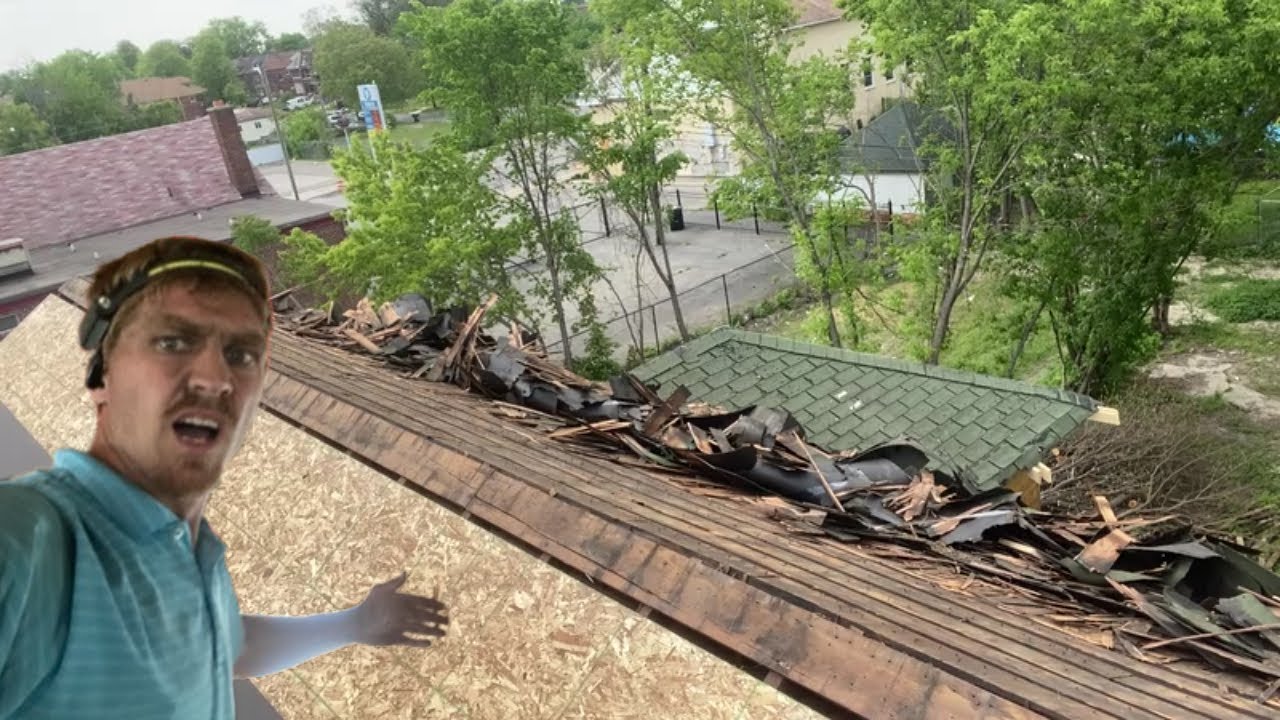
That logic translates into a wind and hail inspection as well. Inspectors look for whether the roof is still performing as a continuous water-shedding system, or whether multiple components are compromised in a way that points toward roof replacement.
Getting the decision right the first time
The best roofing contractor inspections feel like they are protecting you from uncertainty, not just documenting damage. When the contractor can clearly explain why roof repair works for a particular situation, that explanation should be grounded in what was found: isolated areas, intact surrounding components, and no evidence of hidden water intrusion beyond what is addressed.
When the contractor leans toward roof replacement, the explanation should again tie to observations and practical outcomes: widespread damage pattern, multiple trouble spots, recurring leak evidence, or a roof age and condition profile that makes “repairing the symptom” less reliable.
If you are dealing with roof replacement after leak, that can be emotionally frustrating because the leak is already inside your building. But the inspection can still move you from reactive damage control to a more durable solution, whether that means roof repair to address a specific issue or roof replacement to reset the roof’s overall reliability.
When to push for more than a basic visual inspection
Some damage is difficult to interpret from the ground. If you suspect wind lifted edges, or hail impacts are widespread but leaks are intermittent, ask for a thorough inspection that maps roof conditions to water entry risk areas.
It is also reasonable to ask for clarity on how the contractor is deciding between roof repair and roof replacement. If the roof is older, include that context. If there have been prior roof leak repair events, mention them. If your building is commercial, reference any downtime concerns, because commercial roof replacement decisions often have operational consequences beyond the roof surface.
Practical next steps after the inspection
Once the inspection is complete, your next steps should be straightforward and aligned with the evidence. You should be able to review what was identified, understand whether emergency roof repair is needed immediately, and then talk through repair scope or roof replacement scope based on the observed damage pattern and roof condition.
If replacement is recommended, ask what is included in the process for your specific roof system. Replacement typically involves removing old materials, installing new underlayment and roofing materials, replacing flashings and key transition components, and cleaning up the site. That general scope is a useful anchor for conversations about Roofing Replacement Cost and project timeline.
If repair is recommended, ask what boundaries are being set. Repair should not be framed as a long-term guarantee to a roof that is clearly in its aging roof replacement phase. Honest contractors explain the risk trade-offs in plain language, because you want the decision to be durable, not just quick.
Final reality: storm damage is a pattern problem
Wind and hail damage is rarely a single-point failure. It is usually a pattern of how force, impact, and water management changed over time and across roof zones. A roof inspection done with that mindset helps you avoid two common mistakes: replacing too aggressively when damage is genuinely localized, or repairing too narrowly when the roof has multiple compromised areas.
Whether you are planning roof repair, considering roof replacement, or weighing Emergency Roof Repair after a severe event, the most important thing is the quality of the inspection. With a careful look at edges, penetrations, flashings, surface impact, and signs of water intrusion, the decision becomes less about guesswork and more about measured risk. And that is how you get to the right repair or roof replacement plan without chasing the same leak story again next storm season.